When it comes to Fashion, even
death - as downbeat and melancholy it is - is a concept that has been broached - and conquered - with remarkably beautiful results.
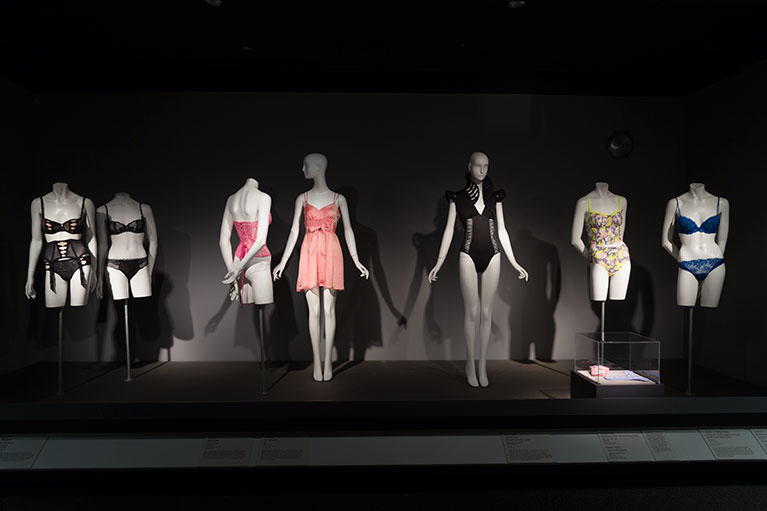
Death Becomes Her is an exhibition on view at the Metropolitan Museum of Art that explores the aesthetic progression and cultural implications of fashion in mourning between the nineteenth and twentieth centuries. Thirty historic ensembles, all associated with mourning and awash in black and similarly sombre colors such as white, mauve, and a little bit of gray (as the mourning period of that individual wore on) have been placed on display. This collection includes fantastically preserved gowns that have been worn by revered figures such as Queen Victoria herself.
Attending this exhibition reminded me of our lesson in class, where we covered the concept of the Cabinet of Curiosities and in extension, the Victorian Era. It was an age of great sexual repression and conservativeness in the British Empire - when her husband, Prince Albert died, Queen Victoria retired permanently to a life of mourning and bereavement, all the while dressing in accordance. Following this concept of loss, the idea of mementos, or the collection of personal, scientific, anthropological things and displaying them in Cabinets of Curiosities gained great importance and priority in order to preserve memories of those who have passed.
While the overarching theme was a sombre one, the pieces on display in this exhibition were delightfully ornate when viewed up close. It was fascinating to see that even mourning had highly regimented conventions that extended to fashion, dictating what one could or could not wear while bereaving a loved one. These were even marked by a series of stages, each indicating a change in fabrics and colors. Failing to comply with these expectations indicated a lack of sincerity or true loss, inciting scorn from society. A widow in Victorian England and nineteenth century America was expected to mourn - through sartorial display at the very least - for two full years. In the first few months, only "lusterless" black dresses were allowed. Precise instructions on what hairstyles or accessories were acceptable were doled out in journals and handed out to households. Eventually, as the mourning period progressed, strictures would slowly loosen and their fashion regiments mellowing out in correspondence. Modesty was key.
In the twenty-first century, such strict conventions and the elaborate gowns, accessories and trinkets that surrounded these rules may sound overwhelming, maybe even ridiculous. But I found them fascinating as well.
I see the modern funeral industry as no different - it has exploited a vulnerable concept that is unavoidable in any lifetime and turned it into an exhaustive and expensive exercise. The idea of death has been glamorized. We tend to mythologize the dead, and the measures we take to commemorate them are just as elaborate, if just a little more temporal than Victorian traditions. Caskets can be made of ornate materials costing thousands of dollars, even if they are destined to disintegrate with the material bodies of our loved ones eventually. Hiring a makeup artist for hundreds of dollars to pretty up the deceased such that they look presentable - and alive - at open-casket wakes is not uncommon. These are tedious, expensive rituals that surround the dead. The topic of death is a cloudy grey area to navigate whilst amongst the living. The level of elaborateness and expense that is invested into these processions serve may vary, with either extreme inciting just as much unkind judgment. If you're spending too much, you're being excessive, perhaps trying to use your expense as a bragging right - if you're too simplistic... did you even feel sorry about the loss of your loved one? That said, these gestures are done in acts of respect.
Modern mourning traditions lack certain characteristics that the Victoria era fulfills. We think of the latter as over the top and constraining, but it does serve as a reminder that is not as stark as it is today - that death is only the beginning of a tiresome grieving process. The clothing traditions, while followed in strict sequence, can serve as outward indicators that we, as the bereaved use to convey our loss. More often than not we are so caught up in our personal lives that we fail to acknowledge the burdens of the passersby encountered in our daily lives. Having the formal propriety of clothing as an indicator of our suffering, and even which point of the mourning procession we are at could provide a sense of etiquette, allowing others to understand and even encourage them to be a little bit more patient with our grieving process.
Perhaps not a beautiful dress, but a little memento may serve enough as a reminder that the love for the passed does not die out even when the last mourner has left the graveside.