Visiting this exhibit: Inclusion/Exclusion at the New York Historical Society taught me plenty about the story of China's impact on the United States history. From exclusionary laws to the racist caricatures in mainstream media, Chinese Americans have faced great perils and suffering in the early days of the USA - but this exhibition's primary narrative is on how Chinese-American identity came to be.
As an art student and prospective artist, the theme of identity has been omnipresent in the process and subsequently, the result of my work. Who are you? What do you want to create? Why do you create?
This exhibition offered a variation on that theme, shaping a story of discrimination, the subsequent recrimination that arose and how the Chinese people's trials finally gave way to celebration. There are artifacts on display that pose emphatic questions relating to Chinese American Identity - "How do you become American" or "What does it mean to be Chinese?" before setting out to explain how the Chinese came and fought for the hopes of preserving the temporality of Chinatown.
One item on display stood out to me in particular:
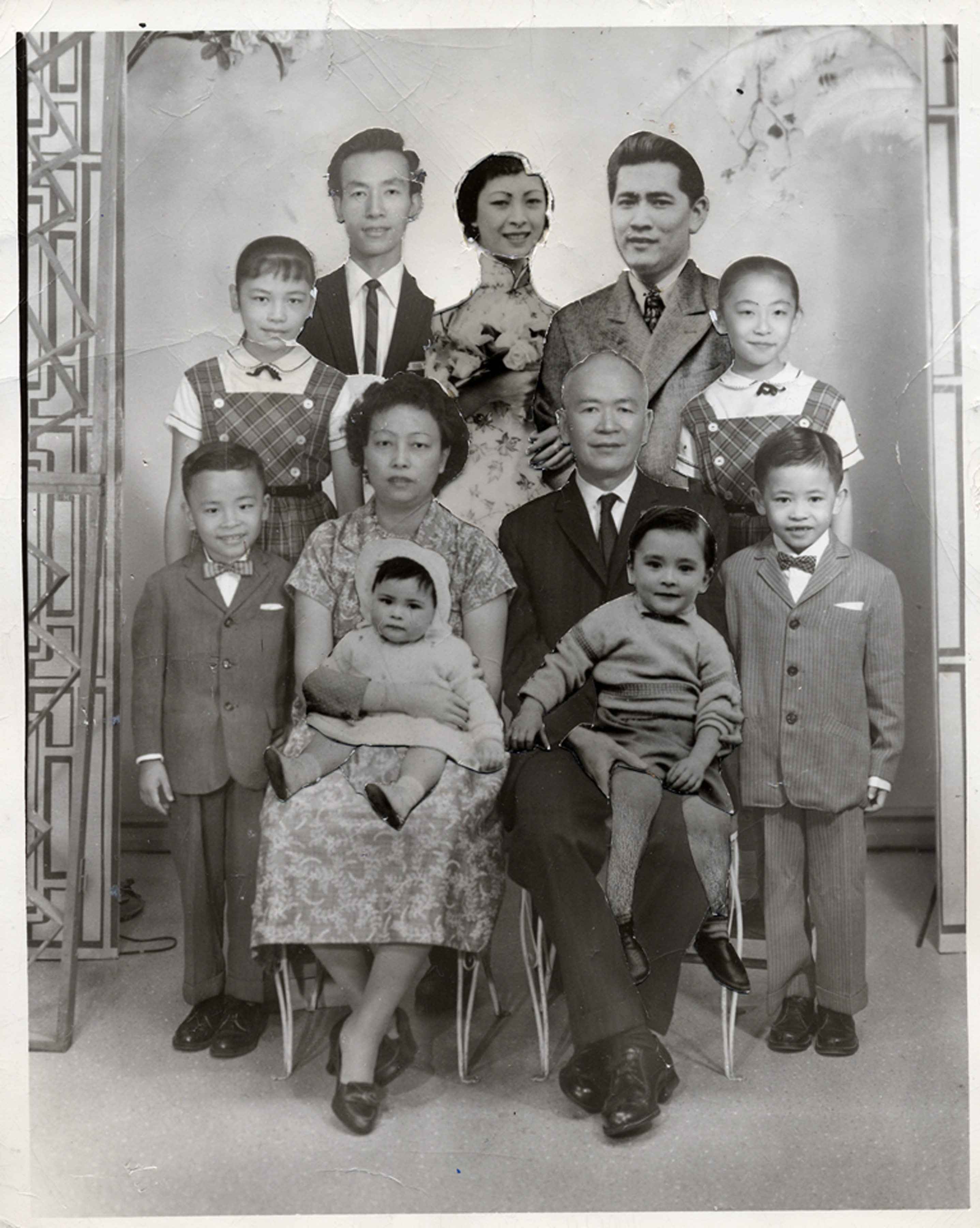
Adapting to the immigration laws that kept them apart, a local photography studio helped the Low family of New York create an impossible family portrait by pasting in the faces of missing relatives. Their earnest desire to keep the family portrait alive despite the effort and difficulties in doing so paints a poignant picture and created a sentiment that resonated deeply with me.
In overall, I felt that the museum did a splendid job in recreating the authenticity of the Chinese in America, but I also found myself wishing that they had given a wider perspective on shaping the identity narrative of the exhibition, perhaps lending more personal insight into the immigrants' lives on top of their current display. I would have loved to have properly understood why the migrations in China began in the first place as well as the reason they continued to persist despite the hostility and injustice they faced almost inevitably upon arrival. Only upon the expansion of the context, can we truly begin to understand.

No comments:
Post a Comment